What Is Reiki? A Gentle Practice for Rest, Relief, and Resilience
- Date
- 1 August 2024
- Category
- Somatic Practices

Reiki is a gentle, non-invasive practice that supports the body’s natural ability to rest, restore, and heal. Originally developed in Japan in the early 20th century, Reiki is now used around the world — including in hospitals and wellness clinics — as a complementary approach to stress relief, emotional support, and overall well-being.
While it’s often described as an “energy healing” practice, Reiki doesn’t require any particular belief system, and it isn’t associated with a specific religion. It is simply a method of helping the body shift from a state of stress to a state of calm, where healing and recovery can naturally take place.
A Reiki session typically involves the practitioner placing their hands lightly on or just above the body in a series of positions. Clients remain fully clothed and are usually lying down or seated in a relaxed position.
The goal is to create a state of deep relaxation, which in turn:
Many people describe Reiki as feeling like warmth, calm, or a subtle flow of energy. Others simply feel deeply relaxed, often more so than they have in a long time.
Reiki is considered a complementary therapy, meaning it is used alongside — not instead of — medical care.
While the mechanisms behind Reiki are still being explored, several clinical studies have found that Reiki may help reduce:
For example, hospitals and cancer centers in the U.S., UK, and Australia increasingly offer Reiki as part of integrative care, particularly for patients dealing with long-term illness, surgery recovery, or emotional trauma.
While everyone’s experience is different, common benefits reported by clients include:
Over time, regular sessions may also help support emotional resilience, nervous system regulation, and a greater sense of connection with the body.
Reiki is safe and suitable for people of all ages and backgrounds, including those:
Because Reiki is so gentle, it can be especially helpful for people who feel emotionally or physically depleted and don’t have the energy for more active forms of healing.
A session usually lasts between 45 and 60 minutes. Most people leave feeling relaxed, lighter, or more at ease. Some may experience emotional release, like tears or a sense of clarity, while others simply enjoy the quiet rest.
Occasionally, people report temporary sensations after a session such as:
These are typically short-lived and part of the body’s natural rebalancing process.
Reiki is a gentle, accessible way to support your body and mind, especially during times of stress, transition, or healing.
If you’re looking for calm in the chaos, or a way to reconnect with your own capacity to heal, Reiki offers a quiet space to begin.

We live in a world that demands more than ever from us — whether at work, at home, or in the quiet spaces in between. From back-to-back meetings and mounting responsibilities to caregiving, illness, or emotional strain, most people today are carrying more ...
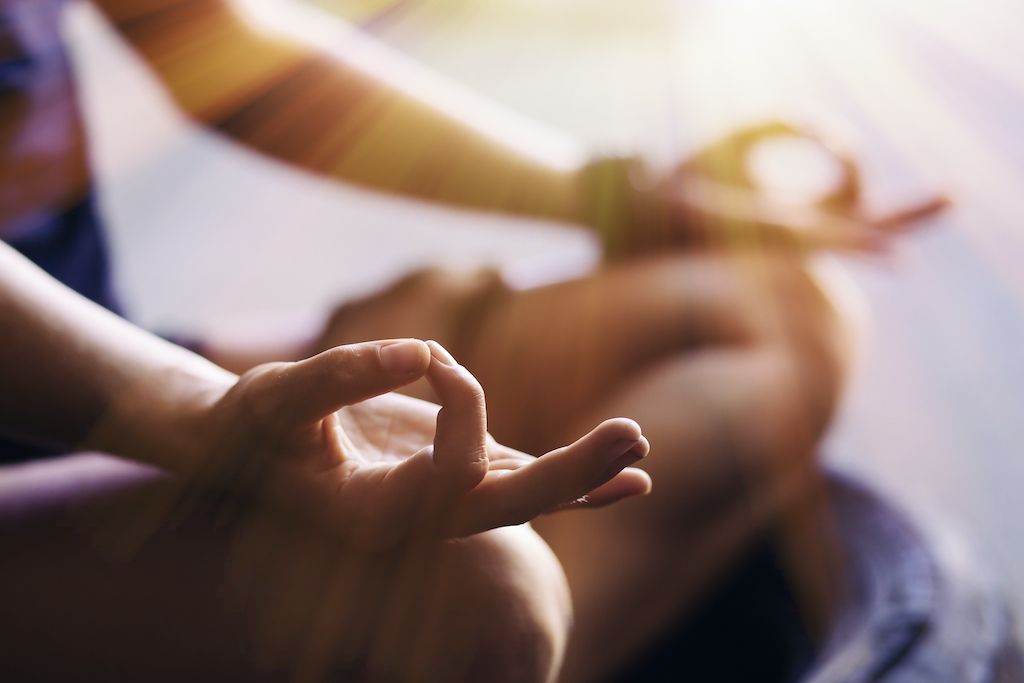
The human nervous system is a complex and beautifully coordinated network that influences nearly every aspect of our well-being — from how we respond to stress, to how we sleep, digest food, recover from illness, and even connect emotionally with others. ...
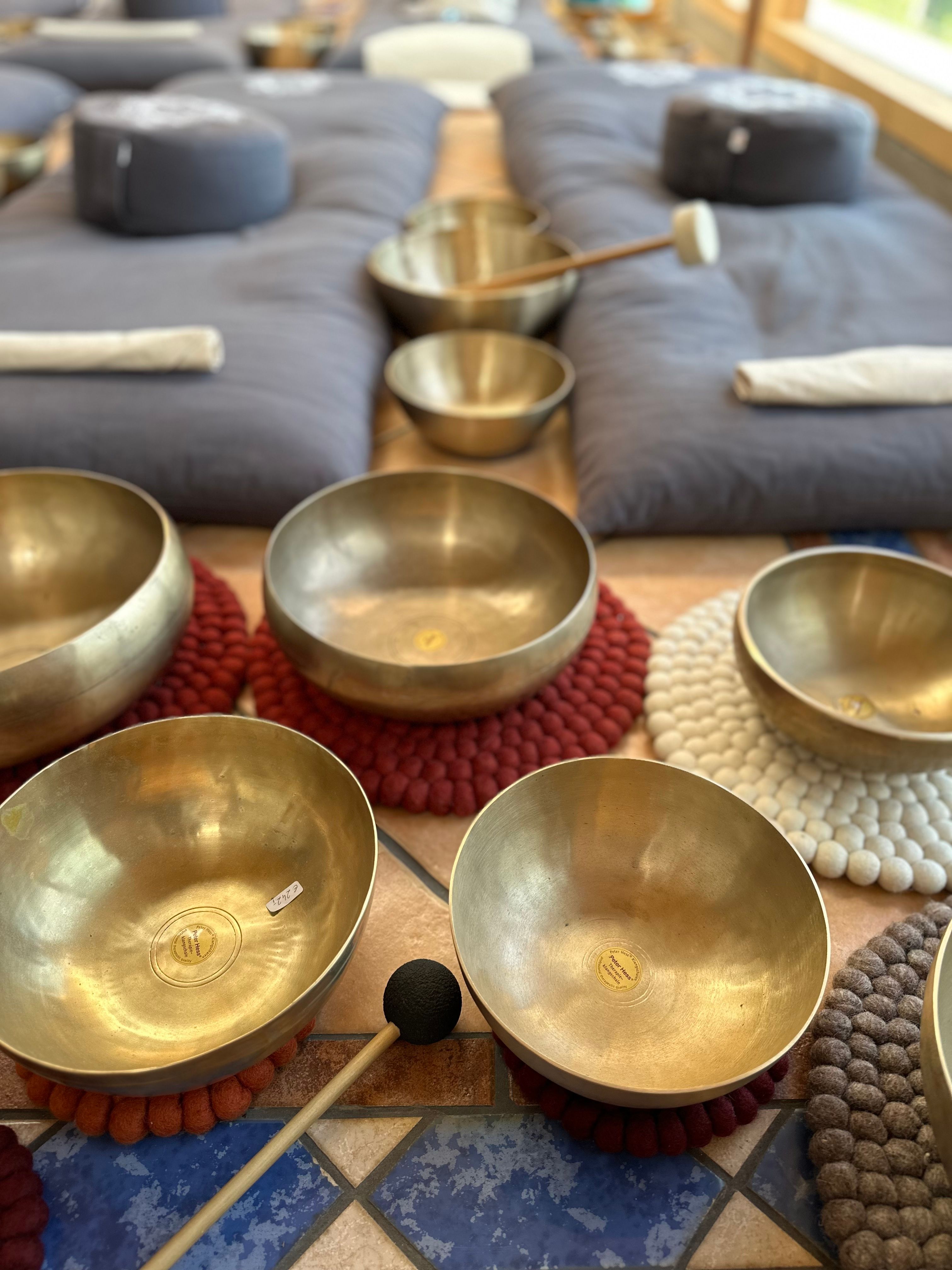
Sound has been used as a healing modality for centuries, with roots in ancient civilisations. From chanting mantras to the rhythmic beats of drums, sound has been recognised as a powerful force for transformation. In today’s modern world, sound healing com...
The information provided on this website is for general wellness purposes and is not a substitute for professional medical advice. Always consult your healthcare provider before making any lifestyle changes.
Luminous Life Care makes no guarantees regarding the accuracy or relevance of the information, and does not assume responsibility for any third-party products, services, or practitioners recommended. Use of this site does not establish a coach-client or healthcare relationship. For full details, please refer to our Terms & Conditions and Privacy Policy.