Understanding the Parasympathetic Nervous System: The Body’s Built-In Recovery Mode
- Date
- 29 January 2025
- Category
- Nervous System

The human nervous system is a complex and beautifully coordinated network that influences nearly every aspect of our well-being — from how we respond to stress, to how we sleep, digest food, recover from illness, and even connect emotionally with others.
At the heart of this system lies a powerful balance between two key branches of the autonomic nervous system:
While the sympathetic system prepares the body for action and stress, the parasympathetic system is responsible for recovery, healing, and long-term resilience. Understanding how these systems work — and what happens when they fall out of balance — is essential for anyone looking to improve their health and emotional well-being.
The autonomic nervous system (ANS) controls the automatic functions of the body — things we don’t have to think about, like heart rate, digestion, breathing, and temperature regulation. It has two main branches:
This branch is activated during times of stress, perceived danger, or intense focus. It prepares the body for immediate action by:
This response is designed to be short-term and protective — helping us escape danger or push through challenges.
Once the threat has passed, the parasympathetic system kicks in to bring the body back to baseline. It:
In a healthy nervous system, these two branches work in harmony, responding to life’s demands and then returning the body to a state of balance.
The modern world is full of stressors, not all of them physical or life-threatening. Psychological stress, overwork, financial pressure, emotional strain, chronic illness, or caregiving responsibilities can activate the sympathetic system continuously, even when no immediate danger exists.
When this “fight or flight” mode becomes the default setting, it takes a toll on the body. Chronic sympathetic dominance can lead to:
Over time, this imbalance can significantly reduce the body’s ability to rest, heal, and regulate itself, which is where the parasympathetic system becomes essential.
The parasympathetic nervous system is the body’s built-in recovery mechanism. It supports not just relaxation but long-term health and resilience. When the PNS is active, the body has a chance to repair cells, regulate hormones, digest properly, and build immunity.
A well-functioning PNS is linked to:
But how does the PNS do all this? A key player is the vagus nerve.
The vagus nerve is the longest cranial nerve in the body. It runs from the brainstem through the neck and into the chest and abdomen, connecting to the heart, lungs, digestive organs, and more.
This nerve plays a major role in parasympathetic regulation. It acts like a communication superhighway between the brain and the body, carrying signals in both directions.
Vagal tone refers to the health, strength, and responsiveness of the vagus nerve. Think of it as the nervous system’s level of fitness.
Heart Rate Variability (HRV) is one of the most reliable markers of vagal tone. It measures the variation in time between heartbeats — a sign of how well the body can shift between sympathetic and parasympathetic states.
A higher HRV generally indicates better nervous system adaptability and stronger vagal tone.
Numerous factors can strengthen or weaken parasympathetic function:
Your nervous system is not just a stress detector — it’s a recovery engine.
While the sympathetic system prepares us for life’s demands, it’s the parasympathetic nervous system that restores and protects our long-term health.
In a world that often rewards constant activity and productivity, reconnecting with the body’s rest and repair systems is not only necessary — it’s life-giving.
Learning to recognise the signs of imbalance, and supporting the health of the vagus nerve and the parasympathetic system, offers a powerful path toward physical, emotional, and mental well-being.

We live in a world that demands more than ever from us — whether at work, at home, or in the quiet spaces in between. From back-to-back meetings and mounting responsibilities to caregiving, illness, or emotional strain, most people today are carrying more ...
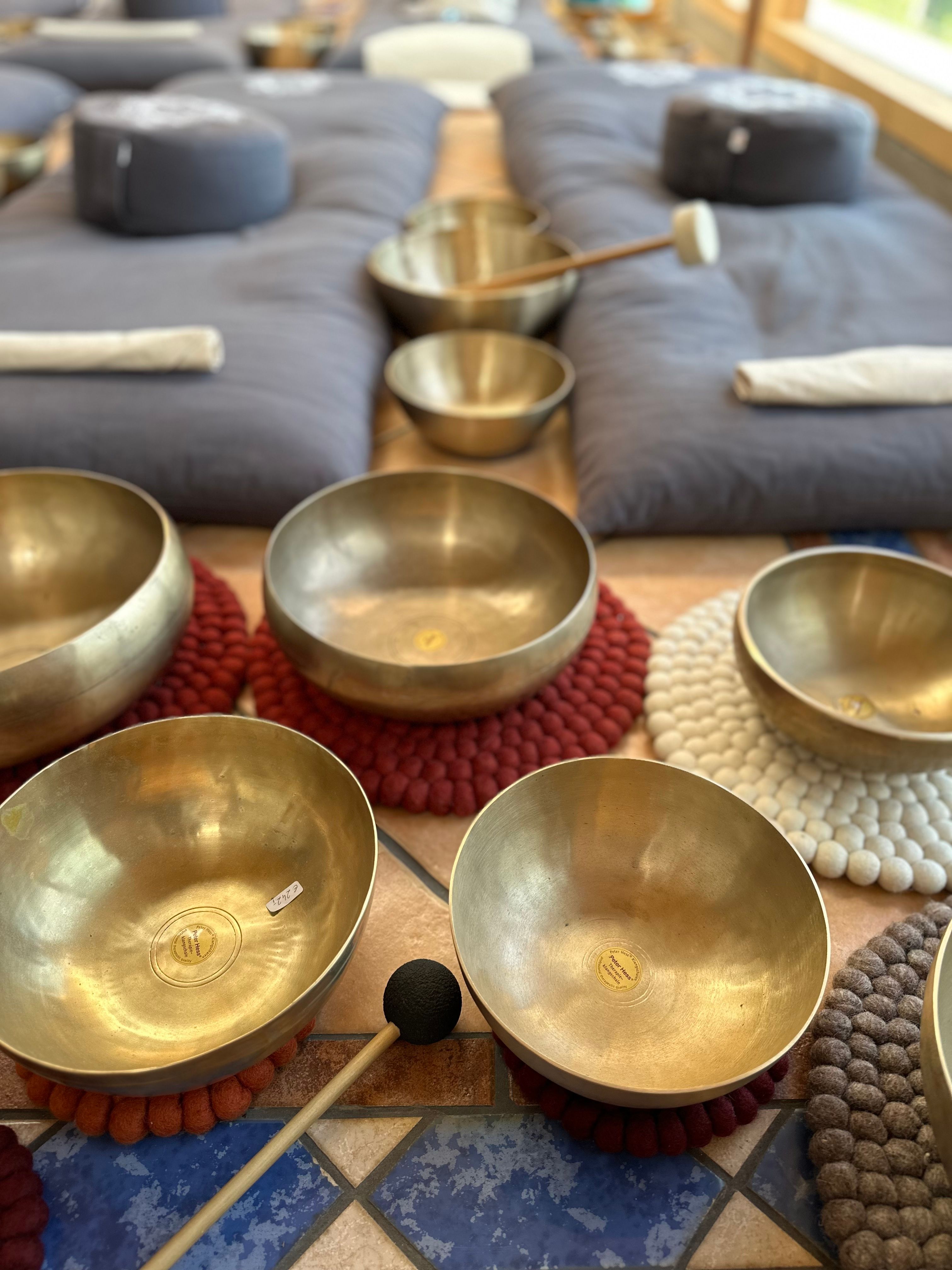
Sound has been used as a healing modality for centuries, with roots in ancient civilisations. From chanting mantras to the rhythmic beats of drums, sound has been recognised as a powerful force for transformation. In today’s modern world, sound healing com...
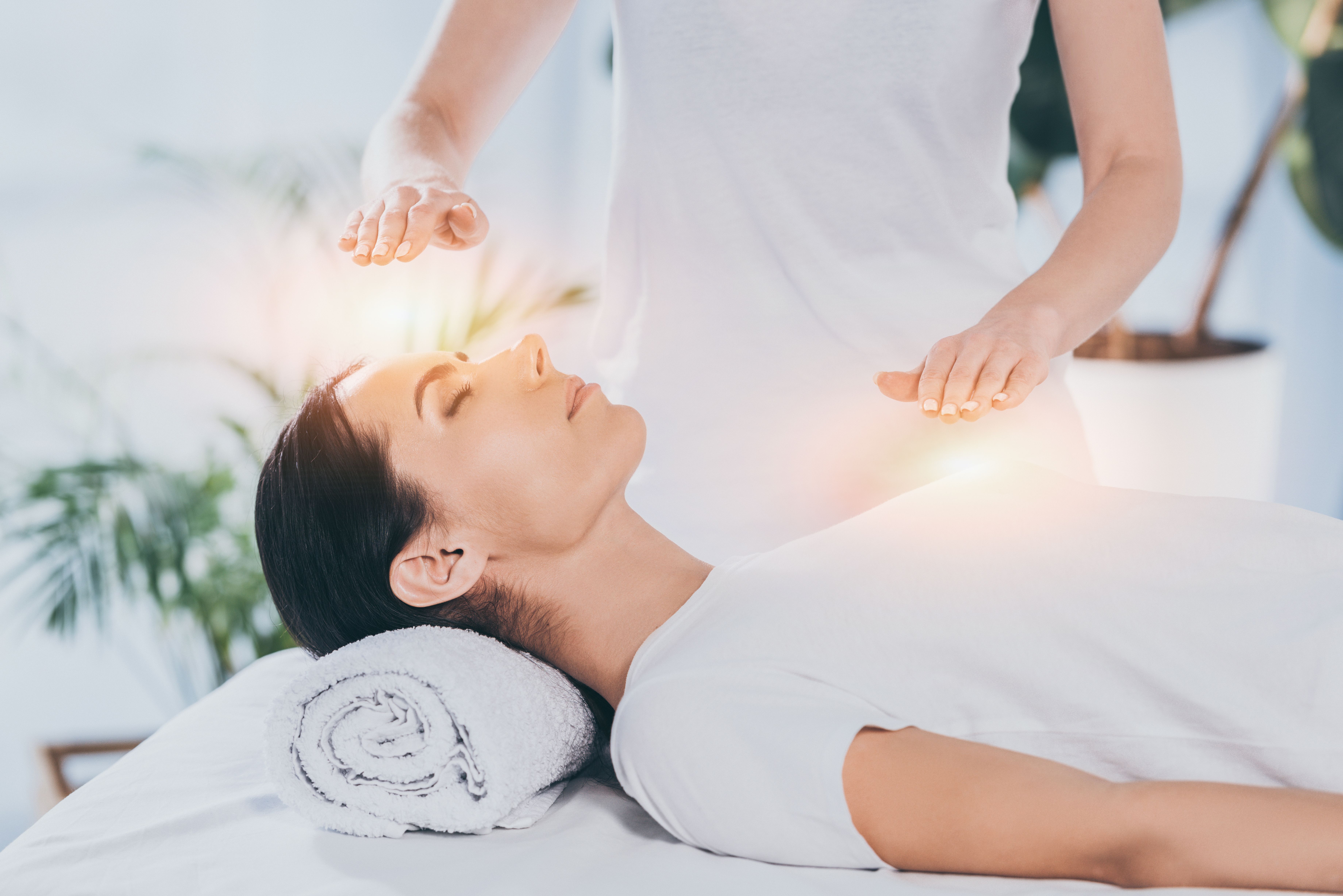
Reiki is a gentle, non-invasive practice that supports the body’s natural ability to rest, restore, and heal. Originally developed in Japan in the early 20th century, Reiki is now used around the world — including in hospitals and wellness clinics — as a c...
The information provided on this website is for general wellness purposes and is not a substitute for professional medical advice. Always consult your healthcare provider before making any lifestyle changes.
Luminous Life Care makes no guarantees regarding the accuracy or relevance of the information, and does not assume responsibility for any third-party products, services, or practitioners recommended. Use of this site does not establish a coach-client or healthcare relationship. For full details, please refer to our Terms & Conditions and Privacy Policy.